Change Of Clothes: What To Pack, When To Bring It, And How To Use It (2026 Guide)
A change of clothes helps people stay comfortable and ready. This guide explains when people should carry a change of clothes. It shows what to pack for common situations. It gives simple tips for packing, storage, and quick clothing care. The guide uses clear steps and short advice. Readers will leave with practical choices they can use today.
Key Takeaways
- Carrying a change of clothes ensures comfort and readiness during unpredictable situations like weather shifts, long travels, and emergencies.
- Pack your change of clothes based on activity type and duration, favoring quick-dry and wrinkle-resistant fabrics for travel convenience.
- Use space-saving methods like rolling clothes and compression sacks to pack efficiently and keep items accessible.
- Store spare clothes strategically—in carry-ons, cars, or workplaces—to quickly respond to spills, weather changes, or schedule demands.
- Protect and maintain your change of clothes with sealed bags, odor absorbers, and regular inspection to keep them fresh and ready for reuse.
- Quick stain care and proper drying techniques help keep your spare clothes clean and usable during trips or long days out.
When To Bring A Change Of Clothes
People pack a change of clothes for many predictable events. He brings a change of clothes for flights with long layovers. She carries a change of clothes for overnight train trips. Parents pack a change of clothes for young children on day trips. Hikers include a change of clothes for wet weather and muddy trails. Commuters keep a change of clothes at the office after gym sessions. Travelers store a change of clothes in carry-on luggage for lost baggage situations.
People also bring a change of clothes for sudden temperature shifts. He adds a light layer and dry shirt for summer storms. She packs a warm layer for trips that move from city to high elevation. People pack a change of clothes when they will attend both casual and formal events in one day. They switch outfits to match dress codes and remain comfortable.
Emergency reasons also justify a change of clothes. He keeps a spare outfit for spills, vomiting, or surgical procedures. She carries a spare set for children who get dirty at playgrounds. People with long workdays use a change of clothes to refresh after outdoor tasks. They avoid sitting in wet or dirty clothing and reduce the risk of skin irritation.
People decide to bring a change of clothes based on time, environment, and activity. He evaluates the weather forecast and trip schedule. She checks planned activities and dress expectations. They err on the side of one lightweight spare outfit when uncertainty exists. That choice reduces stress and speeds recovery from small mishaps.
What To Pack For Different Situations
People choose items for a change of clothes based on activity and duration. For day trips, he packs a top, underwear, and socks. She adds an extra pair of pants or a casual skirt. For overnight stays, people pack a full outfit plus sleepwear. They add a light jacket and a second shirt for unexpected needs.
For outdoor trips, people favor quick-dry fabrics in their change of clothes. He packs synthetic shirts and merino socks. She includes convertible pants that zip into shorts. People add a compact rain layer and a hat for sun protection. They choose pieces that dry fast and compress small in a bag.
For business travel, people include a second business-appropriate shirt and fresh undergarments in their change of clothes. He packs a wrinkle-resistant shirt and a spare pair of socks. She packs a blouse and a neutral scarf to adjust the look. People bring a lightweight garment bag or packing folder to keep the change of clothes neat.
For children, people pack two full change-of-clothes sets when they expect messy play. He includes a shirt, pants, underwear, and socks for each set. She adds a spare jacket in cool conditions. People put each set in a labeled plastic bag for quick access.
For medical or emergency needs, people pack a simple change of clothes and a pair of shoes. He includes easy-on garments for mobility. She includes a comfortable top that opens in the front if medical access may be needed. People include a disposable backup set when they expect contamination risk.
For athletes and gym-goers, people pack a clean shirt, undergarments, and socks as their change of clothes. He includes a small towel and a sealable bag for wet clothing. She packs odor-control items like odor-absorbing sachets or quick-wash soap sheets. People choose fabrics that wick sweat and dry fast.
Packing, Storage, And Quick Clothing Care Tips
People pack a change of clothes to save space and speed access. He rolls shirts to save space. She stacks delicate items flat to avoid creases. People use compression sacks when they need extra space. They place socks inside shoes to use wasted space.
People store a change of clothes in different spots for different needs. He keeps a set in his carry-on for flights. She keeps a set in her car for commutes and outdoor plans. People keep a spare outfit at work if they have long shifts. They keep a labeled travel pouch for easy retrieval.
People protect a change of clothes from moisture and odor during storage. He seals items in zip-top bags to block liquids. She adds a small desiccant packet to reduce humidity. People place a dryer sheet or charcoal sachet with clothing to limit odors during long trips.
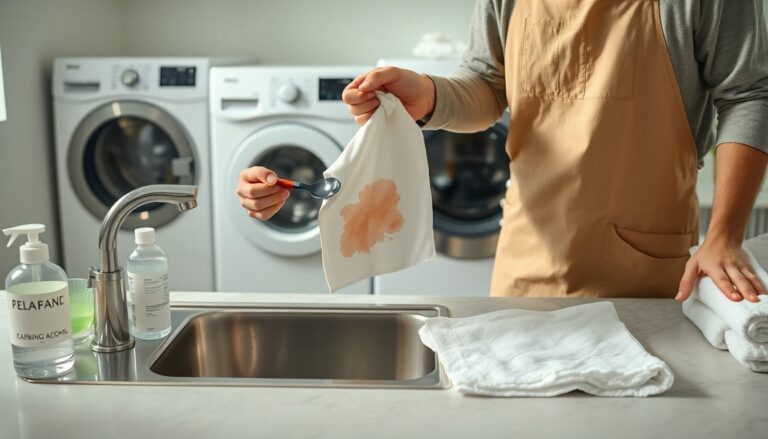
People clean a change of clothes quickly when spills occur. He rinses stains under cold running water as soon as possible. She applies a small amount of gentle soap and rubs the fabric lightly. People blot rather than rub when removing fresh stains on delicate fabrics. They re-wash properly at the next available laundry opportunity.
People dry a change of clothes fast when time is short. He uses a portable travel towel to squeeze out water. She hangs garments near warm air vents or sunlight to speed drying. People avoid high heat on delicate fabrics to prevent damage. They carry a mini travel dryer or a hair dryer in tight schedules.
People maintain a change of clothes for reuse. He inspects the spare set after each trip and replaces worn items. She refreshes undergarments and socks after several uses. People replenish small care items like soap sheets and desiccants before the next trip. They keep the spare clean and ready so it serves its purpose without delay.