
What Are Bespoke Facials?
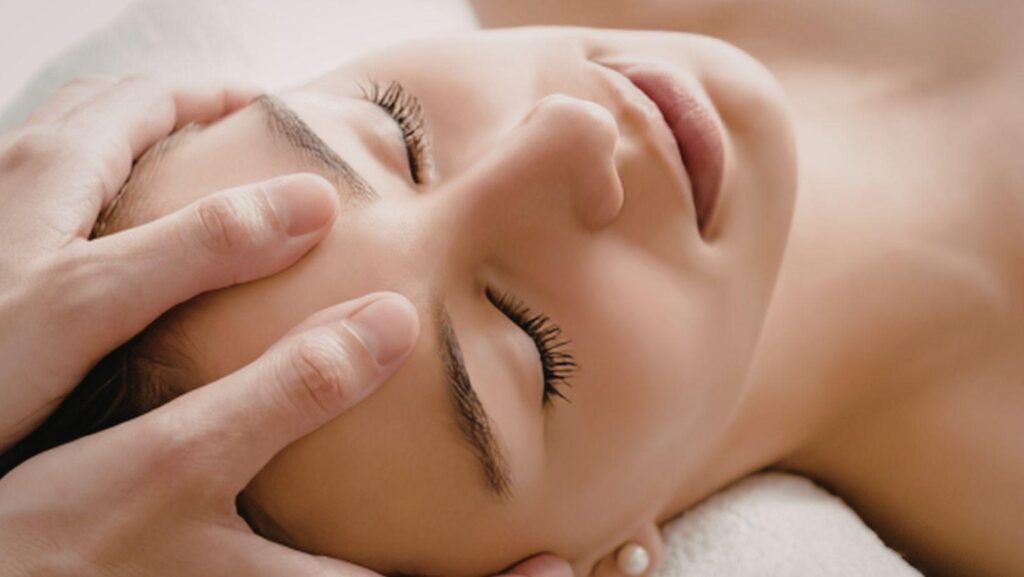
Walk into a facial appointment with dry, tight skin and you probably need something quite different from someone dealing with congestion, uneven texture or sensitivity. This is the thinking behind a bespoke facial.
Rather than following exactly the same sequence for every person, the treatment is adjusted according to how the skin looks and behaves on the day. That might mean concentrating on hydration during one appointment and using more targeted exfoliation at another.
The result is a facial built around the condition of the skin rather than simply the treatment name on the booking.
What Makes a Facial Bespoke?
A bespoke facial usually begins with an assessment of the skin. Your practitioner may look at hydration, oil production, sensitivity, congestion, pigmentation, texture and visible signs of ageing. They will also normally ask about your home skincare routine, recent treatments and any products that have caused irritation.
From there, different stages can be selected according to what the skin needs.
For example, dry skin might benefit from gentle exfoliation followed by intensive hydration. Congested skin may require more attention around cleansing and blocked pores. Someone with easily irritated skin may need a much calmer approach with fewer active ingredients.
This flexibility is the main difference between a bespoke treatment and a facial performed according to an identical routine each time.
What Treatments Can Be Included in a Bespoke Facial?
A bespoke facial can draw on several different techniques. These might include deep cleansing, exfoliation, chemical peels, masks, hydration treatments, LED light therapy or technology designed to support firmness and skin quality.
Some treatments may combine established facial techniques with devices such as radiofrequency or hydradermabrasion. The important point is that adding more stages does not automatically produce a better facial.
Your practitioner will choose each element for a reason. If you’re dealing with dry, reactive skin, for example, adding several strong exfoliating treatments simply because they are available could leave the skin uncomfortable afterwards.
How Is the Right Level of Exfoliation Chosen?
Exfoliation is one area where personalisation matters considerably. Some people tolerate acids and resurfacing products well, while others quickly develop redness, tightness or sensitivity. Skin that has recently been exposed to retinoids or another professional treatment may also require a gentler approach.
A bespoke facial allows your practitioner to adjust the strength and type of exfoliation rather than automatically using the same peel or scrub.
This can also change between appointments. Skin that responds comfortably to stronger exfoliation during winter might behave differently after significant sun exposure or during a period of increased sensitivity.
Can Bespoke Facials Help With More Than One Skin Concern?
Skin concerns rarely exist completely independently. Someone may have an oily forehead but dry cheeks. Another person might be dealing with pigmentation alongside sensitivity. Mature skin can be dehydrated while also experiencing congestion.
A personalised treatment allows different parts of the face to be treated differently where appropriate.
It also helps to establish priorities. Trying to address dryness, pigmentation, congestion, lines and redness aggressively during one appointment can create unnecessary irritation. A practitioner may instead concentrate on restoring hydration and the skin barrier first, then address other concerns gradually.
Why Can Regular Facials Be Useful?
Regular professional facials have several benefits, particularly because they provide an opportunity to reassess how the skin is changing rather than repeatedly applying the same routine.
Weather, hormonal changes, stress, medication and skincare products can all influence how skin behaves. What worked well six months ago may therefore need adjusting.
Professional appointments can also highlight when a home routine has become unnecessarily complicated. Sometimes the useful advice is to introduce a particular ingredient. In other cases, removing several competing active products can make a noticeable difference.
How Should Home Skincare Fit Around a Bespoke Facial?
A facial works best alongside a sensible daily routine. For most people, this means appropriate cleansing, moisturising and regular SPF, with additional active ingredients chosen according to their particular concerns.
After stronger exfoliation or resurfacing, the skin may temporarily need a simpler routine. Practitioners may recommend avoiding retinoids, acids or scrubs for several days and concentrating instead on hydration and sun protection.
Following aftercare matters because the skin continues responding after you leave the treatment room.
Who Might Consider a Bespoke Facial?
Bespoke treatments can be particularly useful when you are unsure which facial suits your skin or when several concerns overlap.
They may also appeal to people whose skin changes regularly. Someone may want more hydration during winter, help with congestion during warmer weather and a gentler treatment before an important event.
The term “bespoke facial” itself does not describe one fixed treatment. Its value comes from the assessment behind it and the ability to change the treatment according to what the skin genuinely needs at that point in time.