Understanding Psilocybin Therapy Safety and the Importance of Proper Patient Screening
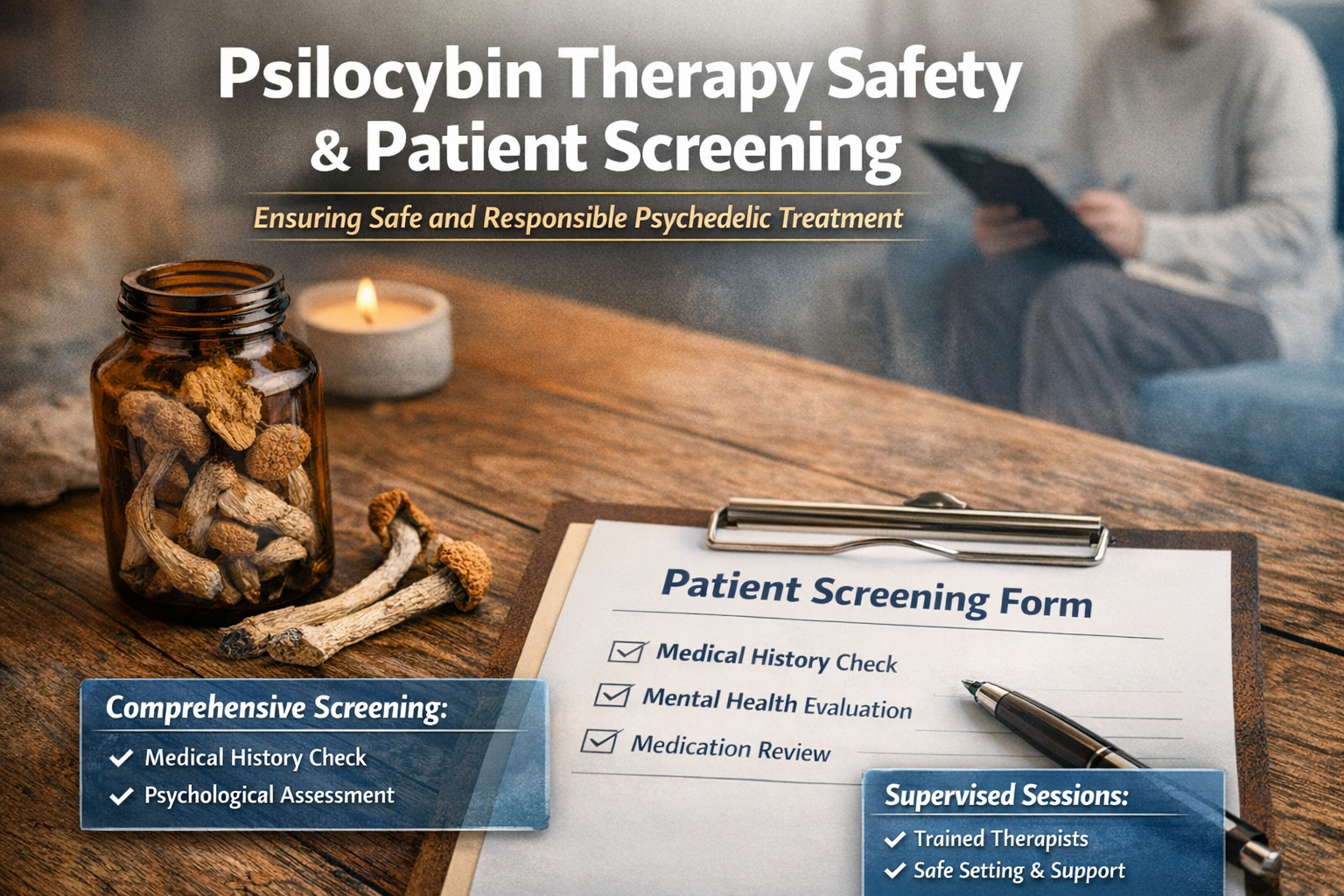
The re-emergence of psychedelic research has brought renewed attention to psilocybin-assisted therapeutic models. Clinical trials and regulated programs have explored psilocybin’s potential in addressing mental health challenges, but safety remains a central priority. Responsible implementation depends heavily on structured screening, professional oversight, and adherence to established clinical protocols.
To ensure ethical practice and minimize risk, clinicians and facilitators follow comprehensive psilocybin therapy safety guidelines that emphasize patient selection, preparation, and ongoing monitoring.
Why Safety Is a Core Focus in Psilocybin Therapy
Contents
- Why Safety Is a Core Focus in Psilocybin Therapy
- The Role of Comprehensive Patient Screening
- Medication Review and Interaction Risks
- Preparation as a Safety Measure
- Supervised Session Environment
- Monitoring and Crisis Management
- Post-Session Integration and Ongoing Support
- Ethical and Professional Standards
- The Importance of Public Awareness
- Conclusion
Psilocybin is a psychoactive compound capable of altering perception, mood, and emotional processing. While therapeutic outcomes in controlled settings have shown promise, the intensity of these experiences requires careful management.
Psychological Vulnerability
The altered states associated with psilocybin sessions can surface deep emotions and memories. Without appropriate screening, individuals with certain mental health conditions may face increased risk of distress or destabilization.
Physiological Considerations
Although psilocybin is generally well tolerated in clinical research environments, it can temporarily influence heart rate and blood pressure. This makes medical history evaluation an essential component of safety planning.
The Role of Comprehensive Patient Screening
Screening is the first and most important step in minimizing potential risks.
Medical History Assessment
A detailed medical evaluation helps identify conditions that may contraindicate participation, including:
- Cardiovascular disease
- Neurological disorders
- Pregnancy or breastfeeding
- Medication interactions
This information enables clinicians to make informed decisions about suitability.
Psychological Evaluation
Mental health screening typically examines:
- History of psychotic disorders
- Bipolar disorder
- Severe personality disorders
- Current emotional stability
Individuals with personal or family histories of psychosis are often excluded due to elevated risk.
Medication Review and Interaction Risks
A thorough medication review is an integral part of screening.
Antidepressants and Serotonergic Medications
Certain antidepressants may alter psilocybin’s subjective effects. Adjustments should never occur without professional guidance.
Antipsychotics and Mood Stabilizers
The presence of these medications may signal underlying psychiatric conditions that require careful consideration or exclusion.
Understanding potential interactions protects both patient safety and therapeutic outcomes.
Preparation as a Safety Measure
Safety extends beyond screening to include psychological preparation.
Building Trust and Rapport
Preparation sessions allow participants to discuss expectations, intentions, and concerns. Establishing trust with facilitators creates a supportive environment that can reduce anxiety during the experience.
Education and Informed Consent
Clear communication about potential benefits, risks, and uncertainties ensures informed decision-making. Structured psilocybin education helps participants understand the therapeutic process and set realistic expectations.
Supervised Session Environment
Clinical and regulated psilocybin sessions occur in carefully controlled settings designed to promote safety.
Therapeutic Support
Trained facilitators or therapists provide emotional reassurance and guidance throughout the session. Their presence helps manage unexpected reactions and maintain psychological stability.
Environmental Considerations
Comfortable surroundings, calming sensory elements, and minimal external distractions contribute to a supportive therapeutic atmosphere.
Monitoring and Crisis Management
Even with careful screening, individuals may experience challenging emotional moments.
Real-Time Monitoring
Facilitators observe psychological and physiological responses during sessions, offering grounding techniques or reassurance when needed.
Crisis Response Protocols
Clinical settings implement clear protocols for managing acute anxiety, panic, or disorientation. These measures ensure that support is immediately available.
Post-Session Integration and Ongoing Support
Safety extends beyond the session itself.
Integration Therapy
Integration sessions help participants process insights, emotions, and experiences that arise during treatment. This reflective phase supports emotional stability and meaningful application of insights.
Monitoring Psychological Adjustment
Follow-up assessments allow clinicians to identify lingering distress or emerging concerns, ensuring continued support.
Ethical and Professional Standards
As psychedelic therapy evolves, professional organizations emphasize ethical frameworks that prioritize patient well-being.
Informed Consent and Transparency
Participants must fully understand the experimental nature of some applications and the limits of current evidence.
Ongoing Research and Training
Continuous professional education and research contribute to improved safety protocols and refined screening criteria.
The Importance of Public Awareness
Growing interest in psilocybin therapy highlights the need for accurate information.
Differentiating Clinical Use from Informal Contexts
Therapeutic safety depends on structured environments, professional oversight, and evidence-based protocols. Informal or unsupervised use lacks these safeguards.
Promoting Responsible Exploration
Education empowers individuals to approach emerging therapies thoughtfully and seek reputable, regulated programs when available.
Conclusion
Psilocybin-assisted therapy represents a promising area of mental health research, but safety remains paramount. Comprehensive patient screening, thorough preparation, supervised sessions, and post-session integration form the foundation of responsible practice.
By adhering to established safety guidelines and prioritizing patient education, clinicians can reduce risks while supporting therapeutic exploration. As research advances, rigorous screening and ethical oversight will continue to play a vital role in ensuring that psilocybin therapy evolves safely and responsibly.